

News
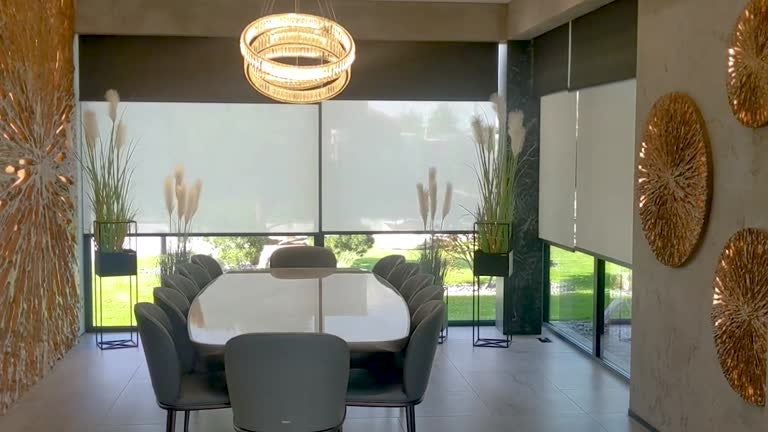

How to Integrate Storage with Acoustic Panelling
When designing a home or office space, most people focus on aesthetics and functionality separately – but what if both could be achieved with a single solution? At Innest, we believe that interiors should be both beautiful and practical. Acoustic wall panels are traditionally used to absorb noise and improve sound quality, but they can do so much more. By combining these panels with integrated storage, you can create a space that is not only quiet but also highly organised and visually striking. This approach allows you to transform plain walls into multi-functional features that work harder for you. Whether you are furnishing a small flat, a large open-plan office, or a home studio, integrating storage with acoustic wall panels is an excellent way to save space and add value. It reduces clutter, hides unsightly items, and creates a sleek, modern appearance – all while keeping your environment acoustically balanced. Why Combine Storage with Acoustic Wall Panels? Modern spaces face two common challenges: noise control and clutter management. Open-plan layouts, hard flooring, and minimalistic interiors often amplify sound, creating unwanted echoes and distractions. At the same time, these same spaces may lack enough built-in storage, leading to visible mess that disrupts the sense of calm. By integrating storage into acoustic insulation wall panels, you solve both problems at once. You can reduce echo, keep your environment quiet, and create a more organised setting. Imagine a home office with a wall of acoustic panelling that doubles as a set of hidden cupboards – it not only looks elegant but also hides files, books, and office supplies neatly out of sight. Similarly, in living rooms, you could store media equipment, board games, or seasonal décor behind panelled doors while enjoying improved sound quality for watching films or listening to music. This dual-purpose approach is particularly helpful in small apartments, studios, and co-working spaces where square footage is limited and every design choice needs to earn its place. Understanding Acoustic Wall Panels To make the most of storage-integrated solutions, it is worth taking a moment to understand how acoustic wall panels function. These panels work by absorbing sound waves rather than allowing them to bounce around the room. When sound waves hit a hard surface such as a plaster wall, they reflect back, causing echo and reverberation. Acoustic panels, on the other hand, use soft and porous materials to trap and dissipate that energy, resulting in a calmer and more comfortable environment. There are different styles and materials available. Some panels feature a simple fabric covering over acoustic foam, ideal for studios and offices where maximum absorption is needed. Others combine a felt backing with wooden slats, which not only absorb sound but also add a striking visual texture to the wall. This makes them popular in home interiors where aesthetics matter just as much as performance. Choosing the right type of panel for your project depends on several factors: the level of noise reduction required, the design style of the room, and your budget. You can explore our full collection of panels to see the options available and decide which will work best for your space before integrating storage. Key Considerations When Integrating Storage Designing a wall that combines storage with sound-absorbing panels is not as simple as adding a shelf on top of a panel. Several practical considerations must be taken into account to ensure the solution is safe, effective, and long-lasting. 1. Panel Thickness and Structure Acoustic panels come in various thicknesses, typically ranging from 12 mm to 25 mm. Thicker panels generally offer better sound absorption, but they also affect how storage components can be mounted. If you are planning to install cupboards or shelves, make sure the chosen panel thickness allows for secure fixings and that the storage elements do not interfere with the panel’s ability to absorb sound. 2. Weight Distribution Storage adds weight to your walls, and panels alone are not designed to bear loads. This means the structural support behind the panels must be considered. For heavy cupboards or multiple shelves, it is essential to anchor them to studs or solid backing rather than relying on the panel material. Distributing weight evenly helps prevent sagging, bowing, or accidental detachment over time. 3. Access and Functionality One of the main benefits of integrated storage is maintaining a clean, continuous wall appearance. To achieve this, use push-to-open cabinet doors or sliding systems that blend seamlessly into the wall surface. Soft-close mechanisms are ideal, as they prevent slamming noises and preserve the acoustic benefits of the space. 4. Acoustic Performance Storage can inadvertently reduce the effectiveness of your acoustic insulation wall panels if too much of the panel surface is blocked. It is a good idea to strike a balance by keeping some sections of the wall free from storage or using perforated or fabric-fronted cupboard doors that still allow sound to pass through. Practical Ways to Combine Storage and Acoustic Panelling Integrating storage into an acoustic panel system can be done in several creative ways depending on the room and your needs. Built-In Cupboards One of the most popular solutions is to install built-in cupboards with doors finished in acoustic panelling. This creates a seamless look, making the storage almost invisible. Built-ins can span from floor to ceiling, offering maximum capacity for books, files, toys, or kitchen items while maintaining an elegant and uniform wall surface. Floating Shelves with Acoustic Backing Floating shelves can be mounted over acoustic panels to create an open, airy display area. They work especially well in home offices for displaying books, plants, or artwork. To maintain acoustic performance, avoid overcrowding the shelves with heavy objects that cover too much of the panel surface. Modular Storage Systems Modular systems are ideal for people who want flexibility. These systems use interchangeable panels and shelving units, allowing you to rearrange your setup as your needs change. For instance, you might start with open shelving and later add closed cabinets or even integrated lighting. Bench Seating with Acoustic Panelling Another smart solution is to combine bench seating with wall-mounted acoustic panels. This is perfect for entryways, dining areas, or home theatres where you need both extra seating and storage underneath. The acoustic panels above help keep conversations clear and reduce echo in high-traffic areas. Comparison Table: Storage Options with Acoustic Panelling Storage Option Best Use Case Advantages Considerations Built-in Cupboards Living rooms, offices Hidden storage, clean aesthetic, maximises space Requires professional measurement and installation Floating Shelves Home offices, studios Easy to install, decorative display space May slightly reduce sound absorption if overloaded Modular Systems Multi-use spaces Flexible and adjustable, can be reconfigured Higher initial cost, more planning required Bench Seating with Panels Dining areas, entryways Dual purpose: seating + storage, great for small spaces Installation may require custom carpentry Installation Tips For the best results, follow these practical steps when installing integrated storage with acoustic panels: Plan Early: Include the panelling and storage concept during the early design stages to avoid conflicts with electrical wiring, lighting, or other wall features. Use Professional Fixings: Secure shelves and cupboards into the wall studs or solid backing to ensure stability and safety. Maintain Acoustic Gaps: Leave small gaps or use breathable cupboard doors to preserve sound absorption capacity. Seek Professional Advice: If unsure about wall strength, weight distribution, or acoustic layout, consult an expert. You can always contact us for guidance. Benefits of a Well-Integrated Design When properly designed and installed, the combination of storage and acoustic wall panels offers multiple benefits: Better Organisation: Everything has its place, reducing mess and making the room feel calmer and more spacious. Improved Aesthetics: A wall with integrated storage looks sleek and intentional, contributing to a minimalist design approach. Enhanced Acoustic Quality: The primary purpose of the panels – absorbing sound – is maintained, ensuring the space is comfortable and quiet. Space Efficiency: Particularly valuable in small homes, apartments, and offices where every square metre counts. Frequently Asked Questions Can storage reduce the performance of acoustic panels? Yes, completely covering panels with storage can reduce their ability to absorb sound. To minimise this effect, use partial coverage or opt for perforated or fabric-fronted storage doors that allow sound waves to pass through. Are acoustic panels strong enough to hold shelves? ,Panels alone are not designed to hold weight. Shelves should always be fixed into wall studs or a secure backing board behind the panels to ensure they can safely carry the load. Can I install acoustic panels and storage myself? DIY installation is possible for lightweight panels and simple floating shelves. However, built-in cupboards, modular systems, and weight-bearing storage units are best handled by professionals to ensure proper alignment, stability, and longevity. What is the best material for acoustic panel doors? Perforated timber, slatted panels, or fabric-wrapped doors work best because they allow airflow and maintain acoustic performance while concealing stored items. Conclusion Integrating storage with acoustic wall panels is one of the most effective ways to combine style, functionality, and acoustic comfort in any space. By carefully selecting the right panel thickness, balancing weight distribution, and choosing clever storage solutions such as built-in cupboards or floating shelves, you can transform a plain wall into a practical feature that also improves the sound quality of your room. This approach is especially valuable for modern homes, small flats, and open-plan offices where noise control and space efficiency are both priorities. When done thoughtfully, the result is a seamless, clutter-free environment that feels calm, organised, and visually appealing. If you are considering this type of project for your home or workplace and want expert advice on selecting and installing the right panels, feel free to us contact. Our team can guide you through panel choices, layout planning, and integration ideas to help you achieve the perfect balance between storage and sound performance.
Learn more
What Finishes Work Best with Oak-Effect Acoustic Panels?
Oak-effect acoustic wall panels have become a favourite choice among homeowners, interior designers, and architects looking to create spaces that are both beautiful and functional. These panels offer the rich texture and warmth of natural oak without the challenges of sourcing and maintaining solid wood. When used strategically, they can transform a plain wall into a design feature while also improving sound quality within the room. Selecting the right complementary finishes is an important step in achieving a polished and professional look. From paint colours and flooring options to lighting choices and furniture materials, every element you choose will influence the final result. The right combination can enhance the natural beauty of oak-effect panels and make your space feel cohesive, comfortable, and visually appealing. Understanding Oak-Effect Acoustic Wall Panels To choose the right finishes, it helps to understand what oak-effect acoustic wall panels are and why they work so well in modern spaces. At Innest, the In-slat™ collection of panels combines style with practicality. Each panel typically consists of a decorative oak-effect veneer applied to vertical slats that are mounted on a sound-absorbing felt backing. This construction not only brings a natural timber aesthetic but also provides measurable acoustic benefits by reducing echo and reverberation. This makes them ideal for home offices, open-plan living rooms, bedrooms, and commercial spaces such as meeting rooms or reception areas where noise reduction is important. The oak effect provides a neutral, versatile backdrop that works with many interior design styles, from Scandinavian minimalism to industrial loft spaces. Because they are not actual solid oak, they are often more affordable, easier to install, and available in consistent finishes that simplify matching with other elements in the room. Choosing Paint Colours to Pair with Oak-Effect Panels Wall colour is one of the most impactful decisions you will make when styling oak-effect panels. The colour surrounding the panels will determine whether they blend subtly into the background or stand out as a statement feature. For a minimalist approach, choose soft whites, light greys, or muted off-whites. These tones make the oak grain the star of the room and help create an open, uncluttered aesthetic. For those who prefer a warmer feel, opt for earthy tones like muted terracotta, taupe, or warm beige. These colours enhance the natural character of the oak and create a cosy, inviting space that feels balanced and harmonious. If your goal is to make a bold design statement, contrasting paint colours such as charcoal grey, deep navy, or rich forest green can work beautifully. These darker tones create a striking backdrop that highlights the vertical lines of the acoustic slats and adds drama and sophistication. For those seeking a light and airy Scandinavian style, white walls combined with subtle pastel accents can keep the space feeling fresh while allowing the oak panels to add depth and warmth. Design Style Recommended Paint Colours Effect Created Minimalist Soft whites, light greys Creates a clean, airy look that allows the oak grain to stand out Warm & Cosy Muted terracotta, taupe, beige Enhances the natural warmth of the oak finish Modern Contrast Charcoal grey, navy, deep green Adds drama and sophistication, making panels a focal point Scandinavian White with pastel accents Keeps the space bright and fresh, perfect for a hygge-inspired home office Whichever colour you choose, consider using a matt or eggshell paint finish rather than gloss. Matt finishes avoid harsh reflections and create a softer, more natural appearance that pairs well with the organic look of oak. Flooring Options that Complement Oak-Effect Panels Flooring is another key finish that can make or break the overall aesthetic. Because oak-effect acoustic wall panels already bring texture to the walls, your flooring choice should complement rather than compete with them. If you prefer a seamless look, select a flooring material that matches the tone of the oak panels. Engineered oak flooring in a similar shade creates a continuous visual flow, making the space feel larger and more unified. For a more dynamic and modern approach, use flooring in a contrasting colour. Dark-stained wood, walnut, or even polished concrete can create a dramatic visual contrast that highlights the warmth of the oak-effect panels. This approach works particularly well in contemporary and industrial interiors, where contrast adds character. In spaces where acoustics are a top priority such as home cinemas, nurseries, or officessoft flooring can further enhance sound absorption. Wall-to-wall carpet or large area rugs not only reduce footstep noise but also add comfort underfoot. Furniture Finishes for a Cohesive Space Furniture finishes should work in harmony with your panels. Matching wood tones can create a unified and natural look, while mixed finishes can add interest and personality. Oak or Ash Furniture: Reinforces the natural look and creates a calming, consistent feel. Black or Powder-Coated Metal Frames: Provide a contemporary edge and work well for office desks, shelving, and modern dining tables. Upholstered Pieces: Soft fabrics and textures can add warmth and improve acoustic comfort, helping to balance hard surfaces. Glass and Chrome Accents: Ideal for contemporary spaces, these finishes offer contrast and keep the room feeling open. When mixing materials, keep a consistent colour temperature (warm or cool tones) to avoid clashing. Lighting Choices to Highlight Your Panels Lighting has a powerful effect on how oak-effect acoustic wall panels are perceived. The right lighting will accentuate the texture of the slats and bring out the richness of the wood tone. Choose warm white lighting (between 2700K and 3000K) to enhance the natural warmth of oak. Avoid overly cool, bluish lighting as it can make the wood look flat or washed out. For maximum impact, use wall washers or directional spotlights to highlight the vertical slats and create depth. Pendant lights can be strategically placed to draw attention to a panelled feature wall in a dining room, bedroom, or workspace. Consider dimmable lighting options so that you can adjust brightness depending on the mood you want to create. Acoustic Benefits and Practical Considerations It’s important to remember that oak-effect acoustic wall panels are not just a decorative feature—they are also functional. The felt backing and slatted design help absorb sound waves, reducing echo and making the space more pleasant to be in. To maximise this effect, avoid covering too many other surfaces in reflective materials like glass, metal, or glossy finishes. Instead, incorporate textiles such as curtains, cushions, and soft seating to complement the acoustic performance of the panels. In a commercial space, pairing the panels with acoustic ceiling tiles or soft partitions can dramatically improve speech clarity, reduce distractions, and increase productivity. Bringing It All Together Creating a cohesive space is about more than choosing finishes that look good individually; it’s about ensuring they work together to create balance and harmony. A great way to plan your design is to build a mood board that includes samples of your chosen paint colours, flooring, fabric swatches, and oak-effect acoustic panel finishes. Seeing these elements side by side helps you visualise how they will look in the final room and prevents mismatched choices. If you are unsure about which combinations will work best, you can contact us for expert advice. The Innest team can guide you through selecting paint colours, flooring types, and complementary materials so that your oak-effect acoustic wall panels achieve both aesthetic appeal and optimal acoustic performance. Frequently Asked Questions Can I mix oak-effect panels with other wood finishes? Yes. Mixing wood finishes can create depth and interest, but it’s best to stay within a similar colour palette. Pair light oak-effect panels with ash or birch for a light and airy look, or use walnut for a rich, contrasting style. Are acoustic insulation wall panels suitable for kitchens? hey can work well in kitchens, particularly open-plan designs where noise from cooking and dining can be disruptive. However, they should be kept away from direct water sources and areas with heavy grease exposure to maintain their appearance and durability. How do I maintain oak-effect acoustic wall panels? Maintenance is simple. Regular dusting with a dry cloth or a vacuum with a soft brush attachment will keep them looking fresh. Avoid harsh chemicals, which could damage the finish or acoustic felt backing. Do oak-effect panels improve energy efficiency? While their main purpose is acoustic absorption, the felt layer does offer some additional thermal insulation. This can help maintain a stable indoor temperature and potentially reduce energy costs over time. Can I install panels myself? Yes, most oak-effect acoustic panels are designed for easy installation and come with clear instructions. However, professional installation can ensure precise alignment, especially if you want the panels to cover a large wall area or form a pattern.
Learn more
How to Maintain and Clean Wooden Slatted Wall Panels
Wooden slatted wall panels, like the premium IN-SLAT Acoustic Panels from Innest, have become a go-to choice for modern interior designers and homeowners looking to enhance both acoustic performance and visual warmth in any space. While these panels offer aesthetic appeal and functionality, maintaining their pristine look and acoustic efficiency requires the right approach. In this expert guide, we’ll walk you through best practices for cleaning and caring for wooden slatted wall panels so they remain a timeless feature in your space. Why Regular Maintenance Matters Before we dive into cleaning methods, let’s understand why it’s essential to care for your slatted wall panels: Preserves appearance: Prevents discolouration, staining, or dust buildup. Extends lifespan: Keeps the wood in optimal condition, reducing wear. Maintains acoustic performance: Clean slats mean unobstructed sound diffusion. Protects investment: Premium panels like IN-SLAT deserve long-term care. Understanding Your IN-SLAT Panel Surface INNEST panels are made from high-quality engineered wood and acoustic felt backing. Each panel is precision-crafted and available in various finishes. Some finishes (like natural oak tones) may require gentler handling than others. When you order samples, you get a firsthand look at the finish texture – an ideal way to plan your care routine. Daily & Weekly Dusting Tips Regular dusting keeps grime from settling into the slats and grooves. Best Practices: Use a microfibre cloth or soft duster to remove surface dust. For hard-to-reach areas, use a vacuum with a brush attachment. Dust in the direction of the slats to avoid trapping debris. Avoid feather dusters as they may scatter dust into the grooves. Pro Tip: Place your cleaning on your weekly home checklist to prevent buildup. Deep Cleaning: Monthly or As Needed For a more thorough clean, especially in high-traffic or humid areas like kitchens or commercial spaces, deep cleaning may be required every 4-6 weeks. What You’ll Need: Soft cloth Mild dish soap Warm water Bucket Dry microfibre towel Steps: Mix a few drops of mild soap in warm water. Dampen the cloth (not soak) and wipe each slat gently. Immediately dry with a clean towel to avoid moisture damage. Repeat on particularly dusty areas or fingerprints. Things to Avoid Protect the longevity of your panels by avoiding the following: Harsh chemicals (bleach, alcohol-based cleaners) Abrasive scrubbers or scouring pads Excessive moisture or steam Pressure washing Oil-based polishes that leave residues Seasonal Maintenance & Touch-Ups Every few months, it’s worth doing a full-panel inspection. Checklist: Look for signs of warping or peeling due to humidity. Check for any loose fixtures or mounts. Lightly buff any surface scratches with fine-grain wood polish. Consider using a furniture-safe wood conditioner in dry seasons. You can refer to our shipping policy to understand how we pack and protect your panels in different weather conditions. Cleaning Tips by Room Type Different spaces demand different care routines: Living Room or Hallway Dust weekly Deep clean monthly Add surface polish every 3-4 months Kitchen Dust weekly (more frequently around cooking areas) Use degreasing-safe wood cleaner occasionally Avoid placing panels where exposed to steam Bedroom or Study Light dusting every 10-14 days Condition in dry seasons to avoid cracking Commercial Spaces Dust bi-weekly Clean monthly Inspect mounting hardware quarterly When to Consider Professional Help For large installations or panels exposed to wear and tear (e.g. gyms, commercial lobbies), it might be smart to book a professional clean once or twice a year. Professionals can: Deep clean hard-to-access areas Refinish or reseal wood Secure fixtures or replace damaged sections FAQs About Maintaining Slatted Wall Panels Can I use a steam cleaner on slatted wall panels? No, steam can warp or damage the wood and felt backing. How do I remove stains or fingerprints? Use a mild soapy solution and wipe gently with a soft cloth, followed by drying. Are these panels suitable for bathrooms? While some clients install them in powder rooms, it’s best to avoid constant moisture exposure. Will cleaning affect the acoustic performance? Regular cleaning enhances performance by preventing dust blockage between slats. Final Thoughts Maintaining your IN-SLAT Acoustic Panels isn’t complicated, but a little routine care can go a long way in preserving their beauty and performance. Whether you're decorating a living room, creating a feature wall, or refining a commercial space, these panels are designed to last — and with the right cleaning habits, they absolutely will. Ready to explore more options? Browse the INNEST collection or order samples to get started today. For more product support or care instructions, feel free to reach out via our Contact Page.
Learn more