

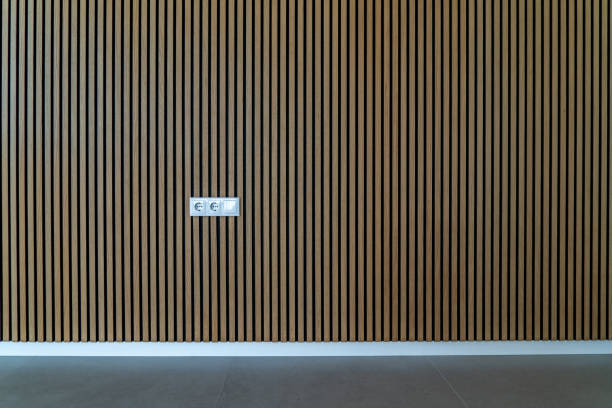
When designing a home or office space, most people focus on aesthetics and functionality separately – but what if both could be achieved with a single solution? At Innest, we believe that interiors should be both beautiful and practical. Acoustic wall panels are traditionally used to absorb noise and improve sound quality, but they can do so much more. By combining these panels with integrated storage, you can create a space that is not only quiet but also highly organised and visually striking. This approach allows you to transform plain walls into multi-functional features that work harder for you.
Whether you are furnishing a small flat, a large open-plan office, or a home studio, integrating storage with acoustic wall panels is an excellent way to save space and add value. It reduces clutter, hides unsightly items, and creates a sleek, modern appearance – all while keeping your environment acoustically balanced.
Why Combine Storage with Acoustic Wall Panels?
Modern spaces face two common challenges: noise control and clutter management. Open-plan layouts, hard flooring, and minimalistic interiors often amplify sound, creating unwanted echoes and distractions. At the same time, these same spaces may lack enough built-in storage, leading to visible mess that disrupts the sense of calm.
By integrating storage into acoustic insulation wall panels, you solve both problems at once. You can reduce echo, keep your environment quiet, and create a more organised setting. Imagine a home office with a wall of acoustic panelling that doubles as a set of hidden cupboards – it not only looks elegant but also hides files, books, and office supplies neatly out of sight. Similarly, in living rooms, you could store media equipment, board games, or seasonal décor behind panelled doors while enjoying improved sound quality for watching films or listening to music.
This dual-purpose approach is particularly helpful in small apartments, studios, and co-working spaces where square footage is limited and every design choice needs to earn its place.
Understanding Acoustic Wall Panels
To make the most of storage-integrated solutions, it is worth taking a moment to understand how acoustic wall panels function. These panels work by absorbing sound waves rather than allowing them to bounce around the room. When sound waves hit a hard surface such as a plaster wall, they reflect back, causing echo and reverberation. Acoustic panels, on the other hand, use soft and porous materials to trap and dissipate that energy, resulting in a calmer and more comfortable environment.
There are different styles and materials available. Some panels feature a simple fabric covering over acoustic foam, ideal for studios and offices where maximum absorption is needed. Others combine a felt backing with wooden slats, which not only absorb sound but also add a striking visual texture to the wall. This makes them popular in home interiors where aesthetics matter just as much as performance.
Choosing the right type of panel for your project depends on several factors: the level of noise reduction required, the design style of the room, and your budget. You can explore our full collection of panels to see the options available and decide which will work best for your space before integrating storage.
Key Considerations When Integrating Storage
Designing a wall that combines storage with sound-absorbing panels is not as simple as adding a shelf on top of a panel. Several practical considerations must be taken into account to ensure the solution is safe, effective, and long-lasting.
1. Panel Thickness and Structure
Acoustic panels come in various thicknesses, typically ranging from 12 mm to 25 mm. Thicker panels generally offer better sound absorption, but they also affect how storage components can be mounted. If you are planning to install cupboards or shelves, make sure the chosen panel thickness allows for secure fixings and that the storage elements do not interfere with the panel’s ability to absorb sound.
2. Weight Distribution
Storage adds weight to your walls, and panels alone are not designed to bear loads. This means the structural support behind the panels must be considered. For heavy cupboards or multiple shelves, it is essential to anchor them to studs or solid backing rather than relying on the panel material. Distributing weight evenly helps prevent sagging, bowing, or accidental detachment over time.
3. Access and Functionality
One of the main benefits of integrated storage is maintaining a clean, continuous wall appearance. To achieve this, use push-to-open cabinet doors or sliding systems that blend seamlessly into the wall surface. Soft-close mechanisms are ideal, as they prevent slamming noises and preserve the acoustic benefits of the space.
4. Acoustic Performance
Storage can inadvertently reduce the effectiveness of your acoustic insulation wall panels if too much of the panel surface is blocked. It is a good idea to strike a balance by keeping some sections of the wall free from storage or using perforated or fabric-fronted cupboard doors that still allow sound to pass through.
Practical Ways to Combine Storage and Acoustic Panelling
Integrating storage into an acoustic panel system can be done in several creative ways depending on the room and your needs.
Built-In Cupboards
One of the most popular solutions is to install built-in cupboards with doors finished in acoustic panelling. This creates a seamless look, making the storage almost invisible. Built-ins can span from floor to ceiling, offering maximum capacity for books, files, toys, or kitchen items while maintaining an elegant and uniform wall surface.
Floating Shelves with Acoustic Backing
Floating shelves can be mounted over acoustic panels to create an open, airy display area. They work especially well in home offices for displaying books, plants, or artwork. To maintain acoustic performance, avoid overcrowding the shelves with heavy objects that cover too much of the panel surface.
Modular Storage Systems
Modular systems are ideal for people who want flexibility. These systems use interchangeable panels and shelving units, allowing you to rearrange your setup as your needs change. For instance, you might start with open shelving and later add closed cabinets or even integrated lighting.
Bench Seating with Acoustic Panelling
Another smart solution is to combine bench seating with wall-mounted acoustic panels. This is perfect for entryways, dining areas, or home theatres where you need both extra seating and storage underneath. The acoustic panels above help keep conversations clear and reduce echo in high-traffic areas.
Comparison Table: Storage Options with Acoustic Panelling
|
Storage Option |
Best Use Case |
Advantages |
Considerations |
|
Built-in Cupboards |
Living rooms, offices |
Hidden storage, clean aesthetic, maximises space |
Requires professional measurement and installation |
|
Floating Shelves |
Home offices, studios |
Easy to install, decorative display space |
May slightly reduce sound absorption if overloaded |
|
Modular Systems |
Multi-use spaces |
Flexible and adjustable, can be reconfigured |
Higher initial cost, more planning required |
|
Bench Seating with Panels |
Dining areas, entryways |
Dual purpose: seating + storage, great for small spaces |
Installation may require custom carpentry |
Installation Tips
For the best results, follow these practical steps when installing integrated storage with acoustic panels:
- Plan Early: Include the panelling and storage concept during the early design stages to avoid conflicts with electrical wiring, lighting, or other wall features.
- Use Professional Fixings: Secure shelves and cupboards into the wall studs or solid backing to ensure stability and safety.
- Maintain Acoustic Gaps: Leave small gaps or use breathable cupboard doors to preserve sound absorption capacity.
- Seek Professional Advice: If unsure about wall strength, weight distribution, or acoustic layout, consult an expert. You can always contact us for guidance.
Benefits of a Well-Integrated Design
When properly designed and installed, the combination of storage and acoustic wall panels offers multiple benefits:
- Better Organisation: Everything has its place, reducing mess and making the room feel calmer and more spacious.
- Improved Aesthetics: A wall with integrated storage looks sleek and intentional, contributing to a minimalist design approach.
- Enhanced Acoustic Quality: The primary purpose of the panels – absorbing sound – is maintained, ensuring the space is comfortable and quiet.
- Space Efficiency: Particularly valuable in small homes, apartments, and offices where every square metre counts.
Frequently Asked Questions
Yes, completely covering panels with storage can reduce their ability to absorb sound. To minimise this effect, use partial coverage or opt for perforated or fabric-fronted storage doors that allow sound waves to pass through.
,Panels alone are not designed to hold weight. Shelves should always be fixed into wall studs or a secure backing board behind the panels to ensure they can safely carry the load.
DIY installation is possible for lightweight panels and simple floating shelves. However, built-in cupboards, modular systems, and weight-bearing storage units are best handled by professionals to ensure proper alignment, stability, and longevity.
Perforated timber, slatted panels, or fabric-wrapped doors work best because they allow airflow and maintain acoustic performance while concealing stored items.
Conclusion
Integrating storage with acoustic wall panels is one of the most effective ways to combine style, functionality, and acoustic comfort in any space. By carefully selecting the right panel thickness, balancing weight distribution, and choosing clever storage solutions such as built-in cupboards or floating shelves, you can transform a plain wall into a practical feature that also improves the sound quality of your room.
This approach is especially valuable for modern homes, small flats, and open-plan offices where noise control and space efficiency are both priorities. When done thoughtfully, the result is a seamless, clutter-free environment that feels calm, organised, and visually appealing.
If you are considering this type of project for your home or workplace and want expert advice on selecting and installing the right panels, feel free to us contact. Our team can guide you through panel choices, layout planning, and integration ideas to help you achieve the perfect balance between storage and sound performance.


